
Loading...
Serving Superior, WI and surrounding areas. (715) 217-3037
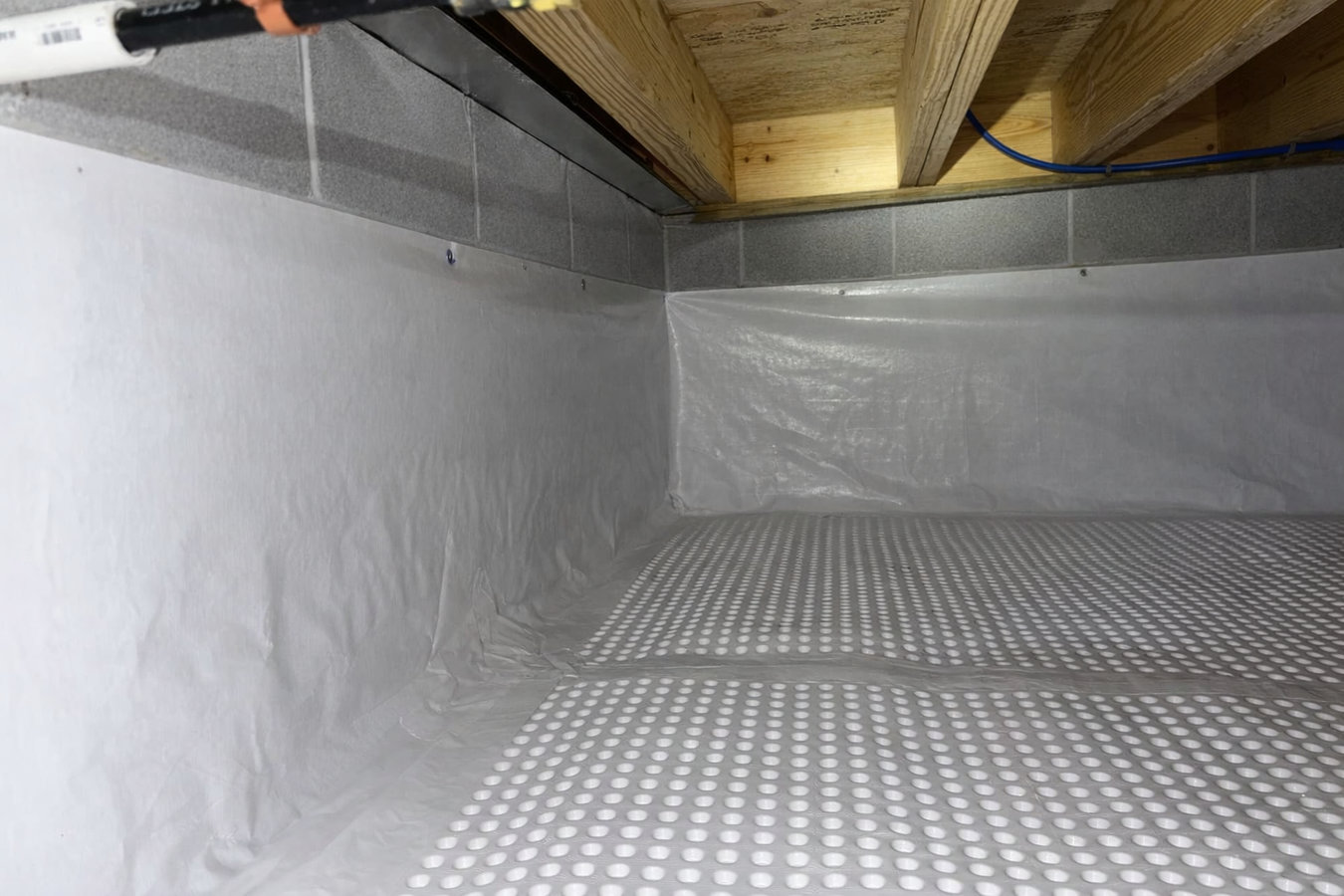
An uninsulated crawl space in Superior is not just uncomfortable — it puts your plumbing at risk every winter and lets cold air rise directly into your living floors. We assess moisture conditions first, then install the right insulation for your home's specific situation.
Insulation in your crawl space acts like a thermal blanket between the cold ground and the living areas of your home. Without it, cold air seeps up through your floors in winter and warm, humid air pushes in during summer — making your home harder to heat and cool and increasing the risk of frozen pipes during Superior's coldest months.
Much of Superior's residential housing was built in the early-to-mid 20th century, when crawl space insulation wasn't standard practice and vapor barriers were rarely installed. Many homes in neighborhoods like Billings Park, East End, and Itasca have crawl spaces that have been open to ground moisture for decades. Before new insulation goes in, a contractor will almost always need to address what's already down there — old vapor barriers, debris, or signs of moisture damage.
For a complete approach to your home's thermal envelope, our home insulation service covers every zone — attic, walls, crawl space, and rim joist — in a single assessment.
If you walk across your kitchen or living room in winter and the floor feels noticeably cold through your socks, that's a strong sign that cold air is moving up from an uninsulated or under-insulated crawl space below. In Superior's winters, this problem gets worse fast — floors that feel chilly in November can feel genuinely uncomfortable by January.
A musty or earthy odor that seems to come from the floor or from your heating vents often means moisture is building up in the crawl space below. In Superior's climate, that moisture can come from the ground, from spring snowmelt, or from humid lake air — and once mold starts growing in a crawl space, it spreads quickly if nothing is done.
Old fiberglass batts that have gotten wet and compressed are common in Superior's older homes. If you've ever peeked into your crawl space and seen insulation that's sagging, falling down, or missing in patches, it's no longer doing its job — and it may be making moisture problems worse.
If you had a pipe freeze — or a close call — in a bathroom or kitchen that sits above the crawl space, that's a direct warning sign. Pipes freeze when the crawl space below them gets cold enough, and in Superior that can happen during any serious cold snap. Proper insulation keeps the space warm enough to protect your plumbing.
Contractors can insulate the underside of your first floor or seal and insulate the walls of the crawl space itself. The floor approach is simpler and less expensive, but it leaves the crawl space itself cold and exposed to moisture. The encapsulation approach makes the entire crawl space semi-conditioned, which is better for moisture control and for protecting plumbing from freezing.
In Superior's climate — with sustained temperatures well below zero, frequent freeze-thaw cycles, and humidity from Lake Superior — encapsulation is often the better long-term investment. A vapor barrier on the crawl space floor is not optional here; it's essential. Trapping ground moisture against unprotected framing is worse than having no insulation at all.
We also install crawl space vapor barriers as a standalone service or as part of a complete crawl space insulation project.
Superior sits at the western tip of Lake Superior and regularly sees temperatures drop below zero from December through February, with wind chills that push even lower. That kind of sustained cold means an uninsulated crawl space is a real risk for frozen pipes and floors that feel like ice all winter long. The Department of Energy estimates that properly air-sealing and insulating a crawl space can reduce heating and cooling costs by 10 to 20 percent in many homes — and in Superior, where heating bills run high from October through April, that adds up to real money.
The freeze-thaw cycles in spring and fall are frequent and dramatic here, and repeated freezing and thawing can degrade insulation that wasn't installed with moisture control in mind. Superior homeowners tend to call for crawl space work in two waves: spring, when they discover moisture or damage after winter, and fall, when they're trying to get ahead of the cold. Reaching out several weeks before either of those windows gives you a better chance of getting scheduled before the seasonal rush.
When you reach out, we'll ask a few basic questions — the size of your home, whether you've had any moisture issues, and how you access the crawl space. From there, we'll schedule an on-site visit, usually within a week or two.
We go into the crawl space ourselves — not just look at it from the hatch. We check the size of the space, the condition of any existing insulation or vapor barrier, signs of moisture or mold, and how the space is currently vented. This visit is what makes the estimate accurate.
After the assessment, we walk you through what we found and explain your options. We'll tell you whether the space needs moisture remediation before insulation goes in, what type of insulation we recommend, and what the total cost will be.
The crew starts by removing any old, damaged insulation and addressing moisture issues if needed — this might mean laying a new vapor barrier on the ground or sealing vents. Then they install the new insulation, making sure it covers the entire space without gaps. Most jobs wrap up in one to two days.
We respond within 1 business day and provide free written estimates. No obligation to proceed after the assessment visit — just honest information about what your crawl space needs.
(715) 217-3037Once the crawl space is addressed, wall insulation is the next logical zone for older Superior homes that have never had coverage added.
Learn MoreA vapor barrier on the crawl space floor is essential in Superior's climate — moisture from the ground can degrade insulation and cause structural damage over time.
Learn More