
Loading...
Serving Superior, WI and surrounding areas. (715) 217-3037
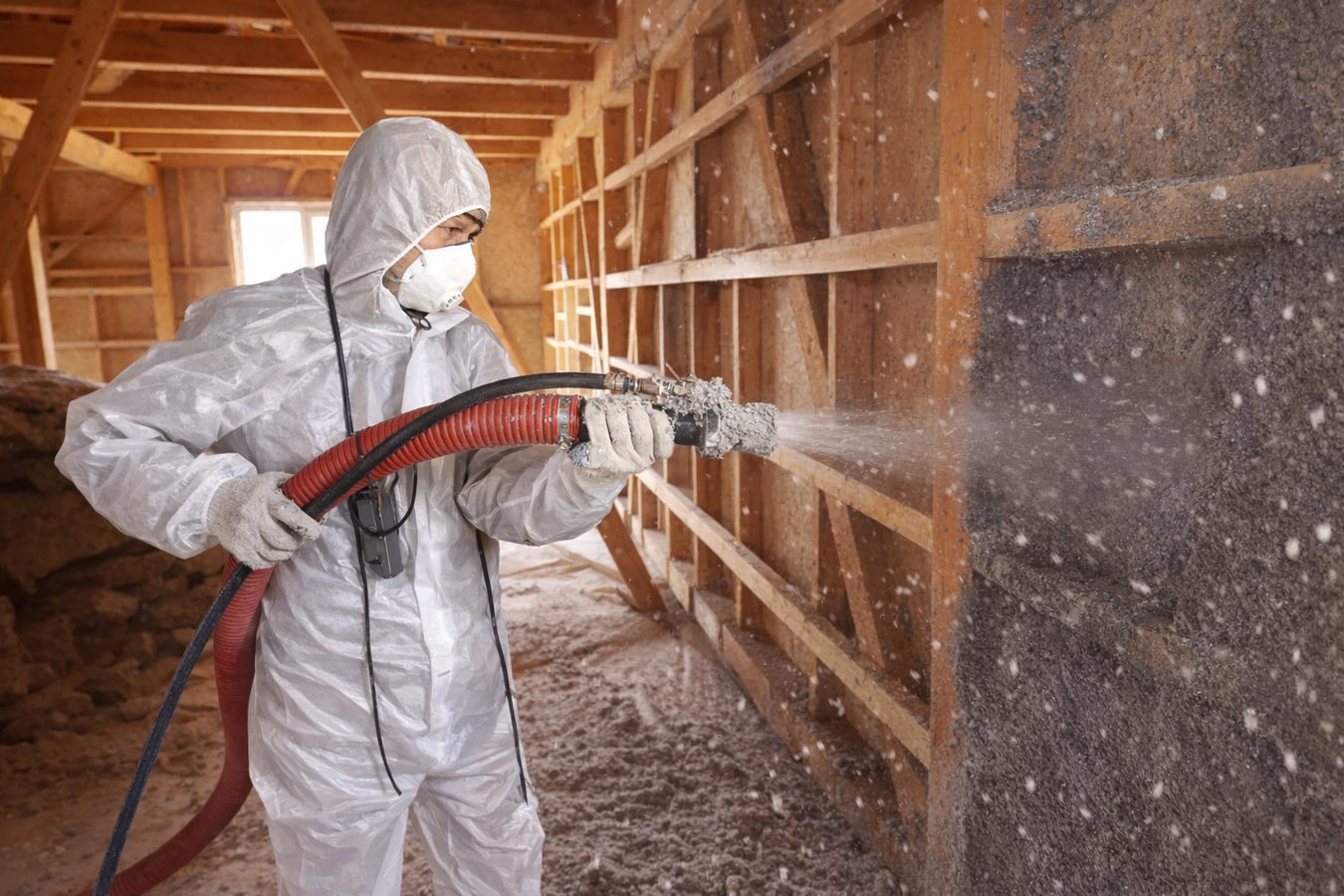
A properly insulated Superior home keeps heat where it belongs from October through April. We assess every zone — attic, walls, crawl space, and rim joist — and give you a clear plan for where your home is losing heat and what it will take to fix it.
Insulation slows the movement of heat through your home's walls, attic, floors, and foundation. In Superior's climate — where heating season runs nearly half the year and temperatures regularly drop below zero — the gap between a well-insulated home and a poorly insulated one shows up directly on your utility statement every month from November through March.
The attic is usually where the biggest gains are found. Heat rises, and in a home with minimal attic insulation, a significant portion of what your furnace produces escapes straight through the ceiling before it can warm your living space. But the attic is not the only place that matters. Walls, crawl spaces, and the rim joist — the framing right above your foundation — are all zones where cold air enters and conditioned air escapes. A complete home insulation project addresses each one.
For homes that have never had a full assessment, we often find multiple zones that are under-insulated or missing air sealing entirely. Our blown-in insulation and spray foam insulation services are the two most common tools for closing those gaps in existing Superior homes.
If your gas or electric bill climbs year over year without an obvious explanation, your home's insulation may not be keeping pace with Superior's winters. Even a modest gap between what you have and what you need translates to real money over a heating season that runs from October through March.
Ice dams form when heat escaping through an under-insulated attic melts snow unevenly. They're a reliable sign that your attic floor is losing heat and are common in Superior's older neighborhoods. Left unaddressed, they can cause water to back up under shingles and damage ceilings.
Uneven temperatures room to room — a bedroom that never warms up, a kitchen floor that feels cold in January — often point to gaps in your home's insulation coverage. This is one of the most common complaints from homeowners in Superior's older neighborhoods.
Homes built before modern Wisconsin energy codes were adopted were constructed with minimal insulation requirements. If your home has never had an insulation upgrade, there's a strong chance it falls well short of what's needed for Superior's climate zone — a free assessment will tell you exactly where you stand.
Hold your hand near an electrical outlet on an exterior wall on a cold day. If you feel a draft, air is moving through gaps in the wall cavity. This is especially common in older Superior homes where wall insulation was never added or has settled over the decades.
If you've never had the home assessed and your home is more than 40 years old, there is a reasonable chance you are losing heat every winter through walls and a ceiling that have little or no effective insulation. A free walk-through with a contractor can tell you exactly what you have and what it would take to make a difference.
A complete home insulation project in Superior addresses each part of the building envelope, not just the most visible one. Here is what we look at and what we can do in each area.
The attic is usually the highest-return zone. We measure existing insulation depth, air-seal around light fixtures and plumbing chases, and bring coverage up to the depth Wisconsin's code requires for Superior's climate zone. Most attic jobs are completed in a single visit.
Older Superior homes frequently have walls with little or no insulation. We use dense-pack blown-in insulation to fill existing wall cavities from the exterior, avoiding the need to remove interior drywall. See our wall insulation page for more detail.
An uninsulated crawl space lets cold rise directly into your living floors. We insulate the underside of the first floor or encapsulate the crawl space walls depending on the conditions we find — and we always assess moisture before work begins.
The rim joist — the framing that sits right on top of your foundation — is one of the leakiest spots in most older Superior homes. We seal and insulate this area as part of every comprehensive basement or crawl space project.
Superior sits in Climate Zone 7, one of the coldest designations in the continental United States. Average January lows hover around -5°F to -10°F, and the city regularly sees wind chills far below that. The Department of Energy recommends attic insulation levels here that are among the highest in the country — significantly more than what's required in most of the Midwest.
Superior's neighborhoods — including Billings Park, the East End, and the South End — include a substantial number of homes built in the early-to-mid 20th century, when insulation standards were minimal. Lake Superior's proximity adds a moisture dimension that inland Wisconsin communities don't face. A contractor working here needs to understand vapor management alongside insulation, especially in crawl spaces and rim joists near the foundation.
Wisconsin's Focus on Energy program and the Wisconsin Home Energy Assistance Program (WHEAP) offer rebates and assistance that can meaningfully reduce your out-of-pocket cost. A good local contractor will know about these programs and can help you apply before the work starts.
You call or fill out a form, and we get back to you within 1 business day. We'll ask a few basic questions about your home's age, what you've been experiencing, and which areas concern you most. This helps us arrive prepared.
We walk through your attic, basement, crawl space, and any exterior walls we can access. We measure what's there, identify air leaks, and assess moisture conditions. This visit usually takes 30 to 60 minutes and there is no cost or obligation.
After the visit, you receive a written estimate that breaks down what work is recommended, what materials will be used, and the total cost. We explain why we're recommending each item — not just hand you a number.
We confirm whether a permit is required and handle it on your behalf. Most residential insulation jobs are completed in one to two days. We clean up before we leave and walk you through the finished work so you can see exactly what was done.
We respond within 1 business day and provide free written estimates. No obligation to proceed after the assessment visit — just honest information about what your home needs.
(715) 217-3037Before new insulation can go in, old damaged or contaminated material often needs to come out first. We handle removal safely and completely.
Learn MoreRetrofit insulation adds coverage to existing homes without major demolition, using the right material and method for each zone of your house.
Learn More