Loading...
Serving Superior, WI and surrounding areas. (715) 217-3037
Custom Superior Insulation serves Superior, WI with attic insulation, spray foam, blown-in insulation, and crawl space work - we have been insulating homes in this community since 2018 and respond to inquiries within 1 business day.
Superior homes built before 1960 often have little to no usable insulation left - settled batts, degraded blown-in, and bare wall cavities are common in the neighborhoods that grew up during the city's port and railroad years. A thorough home insulation assessment covers every zone of your house and gives you a clear plan for where to start and what to expect from the work.
The attic is where most Superior homes lose heat fastest in winter - the temperature difference between a warm ceiling and a frigid attic creates constant pressure to pull heat out. We assess your current insulation depth, seal air gaps first, and bring the attic up to the level your home actually needs for this climate zone.
Superior's crawl spaces and rim joists deal with both cold and moisture from the ground and from the lake nearby. Spray foam insulation handles both problems at once - closed-cell foam seals against air and moisture while delivering high R-value per inch in tight spaces where batt insulation cannot perform well.
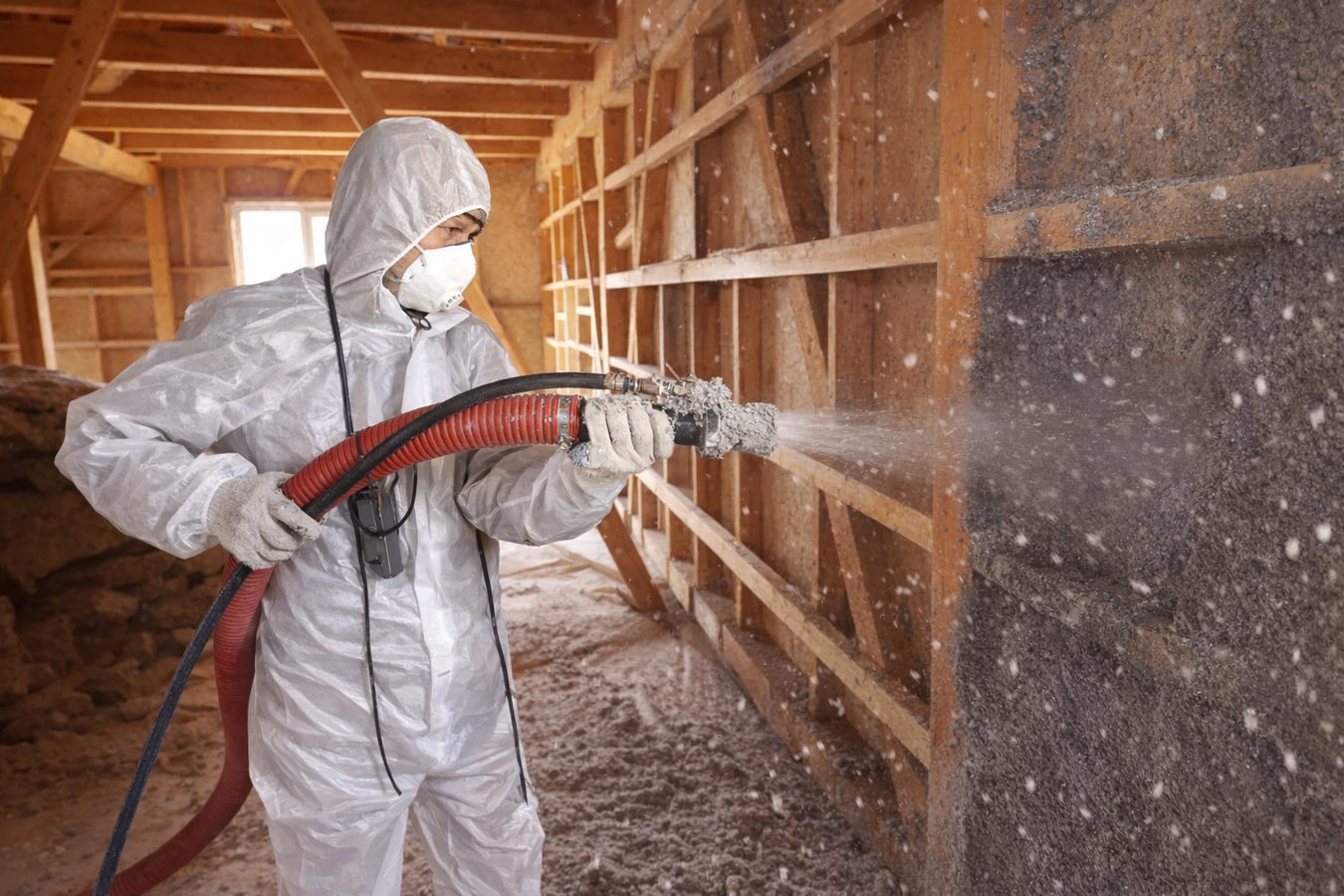
Blown-in insulation reaches areas that batts cannot - irregular attic joists, blocked wall cavities in older construction, and tight corners in finished spaces. It is one of the most practical choices for adding coverage to Superior's older wood-frame homes without tearing out walls or ceilings.
Crawl spaces under Superior homes are exposed to ground moisture, cold air infiltration, and freeze-thaw movement from October through April. Proper crawl space insulation - paired with vapor control - keeps the floor above your feet warmer and prevents the kind of slow moisture damage that rots joists over years.
Superior's older homes have gaps and cracks throughout the building envelope that let cold air in and heated air out all winter long. Air sealing closes those openings at the rim joist, attic floor, wall penetrations, and basement band - it is often the highest-impact improvement you can make before adding more insulation.
Superior sits at the western end of Lake Superior in one of the coldest climate zones in the continental United States. Heating season runs from October through April, and winter temperatures regularly drop below zero. The lake adds its own layer of difficulty - high humidity, persistent moisture, and lake-effect snow all put stress on homes in ways that are different from inland Wisconsin communities. Wisconsin energy code sets higher insulation requirements for this climate zone than most of the country, which means a contractor who does not know the local standards is likely to leave your home short of where it needs to be.
A large share of Superior's housing stock was built before 1960, when insulation was minimal and air sealing was not a standard practice. Many of these homes still have their original wall cavities, foundations with stone or poured concrete, and attics that have never been assessed for energy performance. The freeze-thaw cycles here are severe - water gets into small cracks each fall, freezes and expands, and makes them larger every spring. Building types common in Superior's older neighborhoods, including balloon-frame construction with open wall cavities from basement to attic, are especially susceptible to heat loss and require a contractor who knows what they are dealing with before they start.
Our crew works throughout Superior regularly, and we understand the local conditions that affect insulation work here. We pull permits through the City of Superior's Building Inspection division for work that requires them, and we know the inspection process for this municipality so projects do not stall because of paperwork. The older wood-frame homes in the Billings Park neighborhood and near the UW-Superior campus are the type of construction we see on nearly every job - two-story framing from the early 1900s with original plumbing penetrations, knob-and-tube wiring chases, and attic spaces that have never been air sealed.
Superior is a city where the lake shapes everything - the weather, the moisture levels, and the way homes age. Barker's Island and the harbor waterfront see some of the highest wind exposure in the region, and homes near the water deal with humidity-driven wood rot and condensation issues that homes a few miles inland do not see as often. We also serve Duluth, MN just across the harbor, where the housing stock and climate challenges are nearly identical. For homeowners in communities south of the city like Solon Springs, WI, we make that drive regularly.
Reach out by phone or through the contact form and describe what you are dealing with - high bills, drafts, ice dams, or a room that never gets comfortable. We respond within 1 business day and can usually schedule a walkthrough within the same week.
A crew member visits your home, walks the attic, crawl space, and basement, and identifies where heat is escaping and where moisture is getting in. We give you a straightforward written estimate before any work begins - no pressure, no surprise costs.
We arrive with the equipment, pull any required permits through the City of Superior, and complete the work in one to two days for most residential projects. Your household stays in your routine for most types of insulation work - spray foam requires a 24-hour re-entry window.
When the job is done, we walk you through what was completed and show you the work. We clean up before we leave and can answer any questions about maintenance, rebates through Wisconsin's Focus on Energy program, or what to look for down the road.
We serve Superior and the surrounding area. No obligation - just a straight answer about what your home needs and what it will cost.
(715) 217-3037Superior is a city of roughly 26,000 people at the western tip of Lake Superior, sharing a harbor with Duluth, Minnesota directly across the water. The city grew quickly during the late 1800s and early 1900s as a port and railroad hub, and the residential neighborhoods that developed during those years are still home to most of the city's housing stock today. Areas like Billings Park, with its tree-lined streets and two-story wood-frame homes from the early 1900s, are characteristic of Superior's built environment. The city also has a significant presence from the University of Wisconsin-Superior on its east side, which shapes the mix of owner-occupied and rental properties in nearby neighborhoods. According to the city's history, Superior was platted and developed during the height of the Great Lakes shipping era, which is reflected in the age and character of its neighborhoods today.
The local economy has shifted from its industrial roots but the housing stock remains, much of it in need of the kind of updates that were not standard practice when these homes were built. Modest lot sizes and compact neighborhoods mean homes sit close together and share similar age-related challenges. Landmarks like Barker's Island on the waterfront and the Richard I. Bong Veterans Historical Center in downtown are well-known reference points in a city where most residents have lived for years and care about maintaining their properties. We also serve homeowners across the harbor in Duluth, MN and south toward Rice Lake, WI.
Call us today or request a free estimate - we serve Superior year-round and can usually schedule a walkthrough within days.